Every page should know what the buyer is likely to doubt next.
What this means
Pages lose buyers when doubts appear in the wrong order and sit unanswered. The page should answer the next worry before it becomes the reason to leave.
Why buyers feel stuck
Many pages answer questions the business cares about, not the doubts blocking the buyer.
This is the moment where attention can die quietly. The buyer is not only asking whether the offer is good. They are asking whether the choice feels clear, believable, timely, socially sensible, and worth the effort.
The move
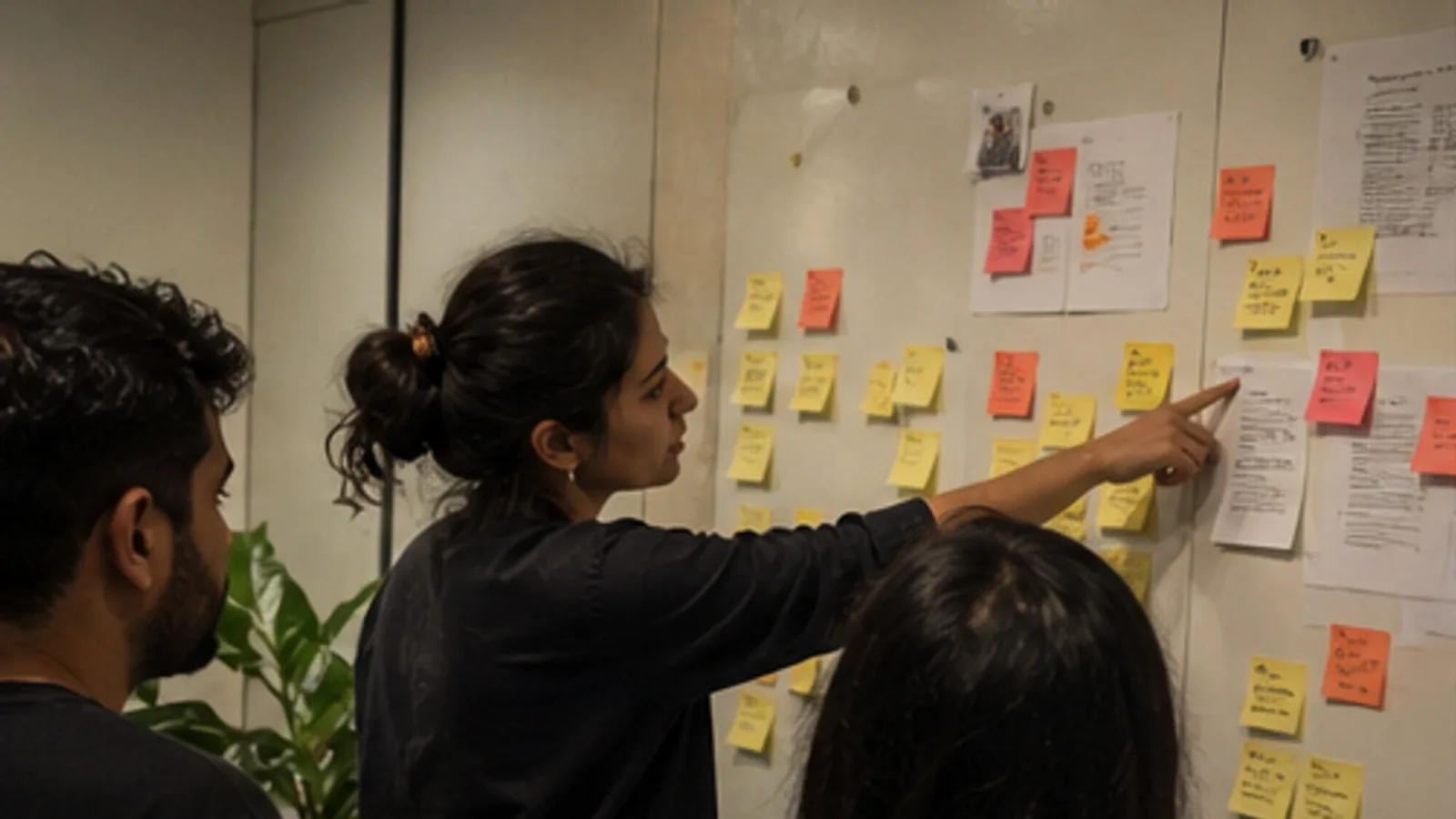
Build an objection and counter-objection map before writing sections.
Turn the idea into something the buyer experiences: the page structure, proof sequence, offer, form, follow-up, sales conversation, or retention system.
Where it shows up
- First screen: Make the buyer, promise, mechanism, proof cue, and next action visible without extra interpretation.
- Proof sequence: Put evidence beside the exact claim, doubt, comparison, or risk it is meant to resolve.
- Choice architecture: Decide whether each choice, default, field, comparison, delay, or pressure point increases or weakens decision momentum.
- Follow-up: Treat confirmation, routing, reminders, nurture, and sales handoff as part of the same conversion system.
Quick check
Sequence proof, comparison, guarantees, FAQs, and examples according to doubt order.
Where this comes from
Core reading
For readers who want the background, this idea is shaped by work on how people notice, trust, compare, decide, and act.
- Making Websites Win: O/CO tables, DiPS, Scientific Web Design, and diagnosing where conversion fails.
- 100M Closing Playbook: Time, money, authority, trust, preference, delay, guarantee, and payment-momentum closes.
- Breakthrough Advertising: Belief sequence and mechanism as the answer to the objection beneath the objection.
Further reading
Optional reading for readers who want to go deeper:
- CXL guide to conversion research: Useful for keeping CRO work research-led: analytics, user behavior, qualitative findings, and testable hypotheses.
- Nielsen Norman Group - Trustworthiness in Web Design: Grounds trust as an observable website behavior: transparent, current, relevant, and easy-to-verify signals beat decorative credibility.